Find Hercules Top Foundation Contractor for Industrial Projects
Constructing on a Strong Foundation: The Importance of Hiring a Foundation Contractor
Structural stability is vital for any residence. Many homeowners underestimate the value of working with a foundation contractor. These professionals play a key role in evaluating and maintaining the structural integrity of a property. They detect problems at an early stage and apply practical solutions. Neglecting this aspect can lead to costly repairs and safety concerns. Grasping the complexities of foundation work can significantly influence long-term property value and safety, encouraging a deeper appreciation of professional guidance.
Exploring the Role of Foundation Contractors
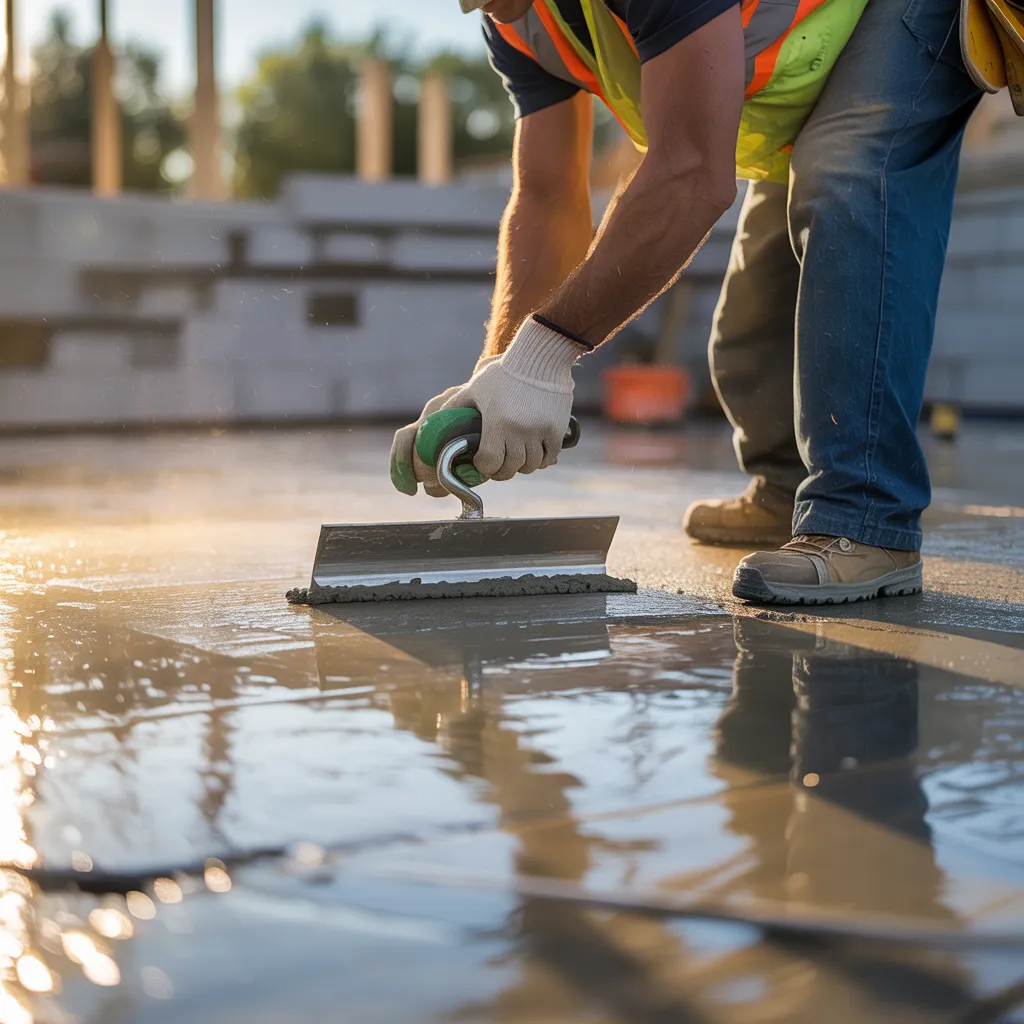
Foundation contractors play a vital role in the construction sector, as they are tasked with creating the base that upholds a structure's integrity. Their skills include various tasks, including grading, excavation, and placing footings and slabs. These professionals examine soil characteristics to determine the most suitable foundation type, ensuring longevity and stability. They also follow local building codes and regulations, which is fundamental for safety and compliance.
Collaboration with engineers and architects is essential, as foundation contractors must synchronize their work according to comprehensive building designs. Additionally, they leverage specialized equipment and techniques to handle diverse environmental challenges, such as water drainage and soil compaction. At the core of their work, foundation contractors establish the essential groundwork that strengthens the structure while improving its long-term resilience, making their role indispensable in the overall success of all construction undertakings.
Frequent Foundation Problems and How to Solve Them
Foundation issues can greatly impact a home's stability and safety. Common problems include fractures in foundation walls, moisture penetration, and uneven flooring. Addressing these concerns promptly is crucial to avoid additional damage and ensure structural stability.
Foundation Walls With Cracks
Fractures in foundation walls frequently indicate underlying issues that require attention. These fractures range in size and extent, suggesting complications including ground settling, soil shifting, or poor drainage. Vertical fissures are usually less alarming, commonly occurring due to material shrinkage while curing, while horizontal fractures can signal more significant structural concerns. Homeowners should monitor the progression of these cracks; should they expand or increase in number, expert assessment becomes necessary. Solutions may involve foundation repair techniques, like underpinning or structural wall bracing, based on the extent of the deterioration. Prompt action by a certified foundation specialist may stop further deterioration, preserving the stability and safety of the residence. Resolving cracks without delay aids in preserving home value and structural soundness.
Water Seepage Problems
Water intrusion poses significant challenges for homeowners, often leading to serious structural damage if left unaddressed. This issue frequently arises from inadequate drainage, poor waterproofing, or foundation cracks. As water infiltrates the foundation, it can weaken the overall structure, fostering mold proliferation and establishing a dangerous residential environment. Effective fixes commonly encompass inspecting drainage systems, fitting sump pumps, and administering waterproof sealants to foundation surfaces. In extreme circumstances, digging may be essential to tackle the root causes. Working with a certified foundation professional assures that the primary causes of water seepage are accurately diagnosed and handled, maintaining the residence's value and safety. Early response can forestall high-cost repairs and strengthen the overall structural resilience of the home.
Problems With Uneven Flooring
Many homeowners experience irregular flooring, a typical indicator of possible foundation issues. This problem frequently stems from shifting soil, settlement, or moisture damage affecting the structural integrity beneath the home. As the foundation shifts, it tends to generate uneven surfaces or dips throughout the flooring, leading to concerns about safety and aesthetics.
To resolve uneven floors, enlisting a foundation contractor is crucial. A qualified contractor can carry out a detailed assessment to determine the root causes and propose effective solutions. Standard approaches include underpinning for foundation reinforcement and drainage upgrades to regulate water flow. By addressing the underlying foundation issues, homeowners can restore stability and prevent further complications, ultimately ensuring the safety and longevity of their property.
Warning Signs You Need a Foundation Contractor
When homeowners detect unusual shifts in their property, this may suggest the need for an experienced foundation contractor. Typical indicators include noticeable cracks in walls or ceilings, particularly those that are wider than a quarter-inch. Doors and windows that bind or refuse to close fully can likewise point to underlying concerns. Furthermore, if floors seem uneven or gaps develop between walls and floors, these could be signs of foundation issues. Homeowners should pay attention to water pooling around the foundation or dampness in the basement, as these can exacerbate structural concerns. Evidence of soil movement, including pronounced settling or heaving, should never be disregarded. Recognizing these indicators early can prevent further damage and costly repairs. Hiring a foundation contractor when trouble first appears can help preserve the home's structural integrity and sustain a secure living environment.
Why Expert Foundation Inspections Are Essential
Even minor signs of foundation issues can result in serious issues if they go unresolved, making professional foundation inspections essential. These inspections provide a thorough assessment of a home's structural condition, enabling property owners to detect vulnerabilities ahead of time. Trained professionals utilize advanced tools and techniques to evaluate the foundation's condition, ensuring that any concealed problems are identified before they escalate into costly repairs.
Periodic inspections not only help sustain the value of a home but also strengthen safety for its inhabitants. Foundation issues can present in numerous ways, including cracks in walls or uneven floors, and qualified inspectors can precisely identify these indicators. Moreover, consulting a professional inspector provides peace of mind, as their proficiency confirms that the foundation's integrity is properly examined. To conclude, professional foundation inspections are a proactive step toward safeguarding a property's structural stability and longevity.
Tips for Choosing the Right Foundation Contractor
Picking the right foundation contractor is vital for securing a successful outcome. Important factors include confirming credentials and experience, evaluating the quality of their body of work, and reviewing bids and service options. Such elements provide a strong basis for reaching a well-informed choice.
Validate Credentials And Experience
How can one guarantee they are selecting a qualified foundation contractor? The first step involves verifying the contractor's credentials, including licenses and certifications relevant to foundation work. Each state has specific licensing requirements, so confirming compliance with local regulations is essential. In addition, experience plays a critical role; contractors with a proven track record in foundation projects are more likely to deliver quality results. Seeking references from previous clients can provide insight into the contractor's reliability and workmanship. Moreover, industry affiliations or memberships in professional organizations can indicate a commitment to best practices. By following these measures, homeowners can be confident they are selecting a foundation contractor equipped with the qualifications and experience required to address their unique project demands.
Analyze Project Portfolio Quality
Assessing a contractor's foundation project portfolio is crucial for making an informed decision. By examining completed projects, clients can gauge the contractor's skill level and craftsmanship. A diverse portfolio highlighting various types of foundation work—such as specialized repairs, residential, and commercial projects—indicates adaptability and expertise. Client testimonials, photographs, and project descriptions offer a glimpse of the contractor's dependability and workmanship. It is also advantageous to inquire about specific challenges faced and how they were overcome, as this illustrates problem-solving abilities. A carefully assembled portfolio not only highlights technical skills but also conveys the contractor's dedication to client fulfillment. Ultimately, a thorough assessment of a contractor's past projects enables future clients to measure the probability of positive results corresponding information for their own foundation needs.
Compare Quotes And Services
When evaluating prospective foundation contractors, what factors should clients focus on when comparing quotes and services? First, clients ought to examine the overall pricing, making sure it fits within their budget while considering the scope of work. Following that, they should evaluate the specifics of each quote, including materials, labor, and timelines. It is crucial to examine each contractor's credentials, such as licenses and insurance, which can influence the quality of service. Reviewing the warranties included is also essential, since a strong warranty demonstrates confidence in the quality of work. Furthermore, client reviews and testimonials provide insights into reliability and satisfaction. At the conclusion of this process, a thorough comparison of these factors will help clients make an informed decision, guaranteeing a strong foundation for their construction project.
Why Skipping Professional Help Can Cost You More
Neglecting to hire a professional foundation contractor may result in substantial financial consequences. Property owners frequently fail to appreciate the complexity of foundation concerns, thinking they can address the necessary fixes without professional help. This miscalculation can result in inadequate fixes, which may worsen over time, resulting in increasingly serious structural deterioration. Addressing a weakened foundation without the proper skills can also cause additional problems, such as water intrusion or pest infestations, which only serves to increase the financial burden further.
Additionally, substandard repairs rarely include any guarantees, leaving homeowners vulnerable to recurring issues. The initial savings from DIY repairs can quickly evaporate as expenses mount from additional damage and corrective measures. On top of that, poorly completed repairs can diminish property value, complicating future transactions. Conversely, professional contractors bring knowledge, experience, and warranties, ensuring a solid foundation and safeguarding investments. At the end of the day, the financial toll of bypassing professional services can vastly outweigh the fee of hiring a skilled contractor.
How Regular Maintenance Prevents Major Repairs
Consistent care of a home's foundation can substantially minimize the risk of expensive repairs. By periodically examining the foundation, homeowners can uncover minor issues before they become major problems. This forward-thinking approach helps identify cracks, water accumulation, or soil erosion early on, enabling timely action.
In addition, effective drainage systems and routine gutter upkeep are vital to safeguarding the stability of the foundation. Confirming that water flows away from the foundation minimizes the risk of moisture-related damage, potentially leading to severe structural concerns. Consistent maintenance efforts also encompass looking for signs of pest intrusion, that may undermine the structural stability of the foundation.
Engaging a foundation contractor for regular evaluations not only ensures professional supervision but also delivers specialized recommendations tailored to the individual requirements of the structure. In the end, investing in routine maintenance protects the home, effectively shielding homeowners from the financial burden of costly repairs.
Common Questions and Answers
What Qualifications Should I Seek in a Foundation Contractor?
When selecting a foundation professional, you should consider relevant experience, appropriate licensing, adequate insurance coverage, strong references, and understanding of local building codes. A reputable contractor will likewise present thorough estimates and exhibit strong communication skills.
How Long Does an Average Foundation Repair Project Last?
An average foundation repair job may span a couple of days to multiple weeks, according to the degree of damage and the approaches applied. Factors such as weather and site conditions may also influence timelines.
Will My Homeowner's Insurance Cover Foundation Repairs?
Foundation repairs may be covered by homeowner's insurance, but coverage depends on the policy and cause of damage. Homeowners should review their insurance policy and speak with their provider to understand the specific details of their coverage.
What Financing Options Are Available for Foundation Work?
Foundation work payment options generally consist of cash, credit cards, and financing plans. Many contractors are known to offer structured payment plans or arrangements with financial institutions, helping homeowners spread out costs conveniently over time.
Do Weather Conditions Impact Foundation Repair Timelines?
Yes, weather conditions greatly impact foundation repair timelines. Severe temperatures, excessive rainfall, or snow can postpone work, create moisture management challenges, and interfere with material curing, ultimately extending the time needed to complete essential repairs or installations.